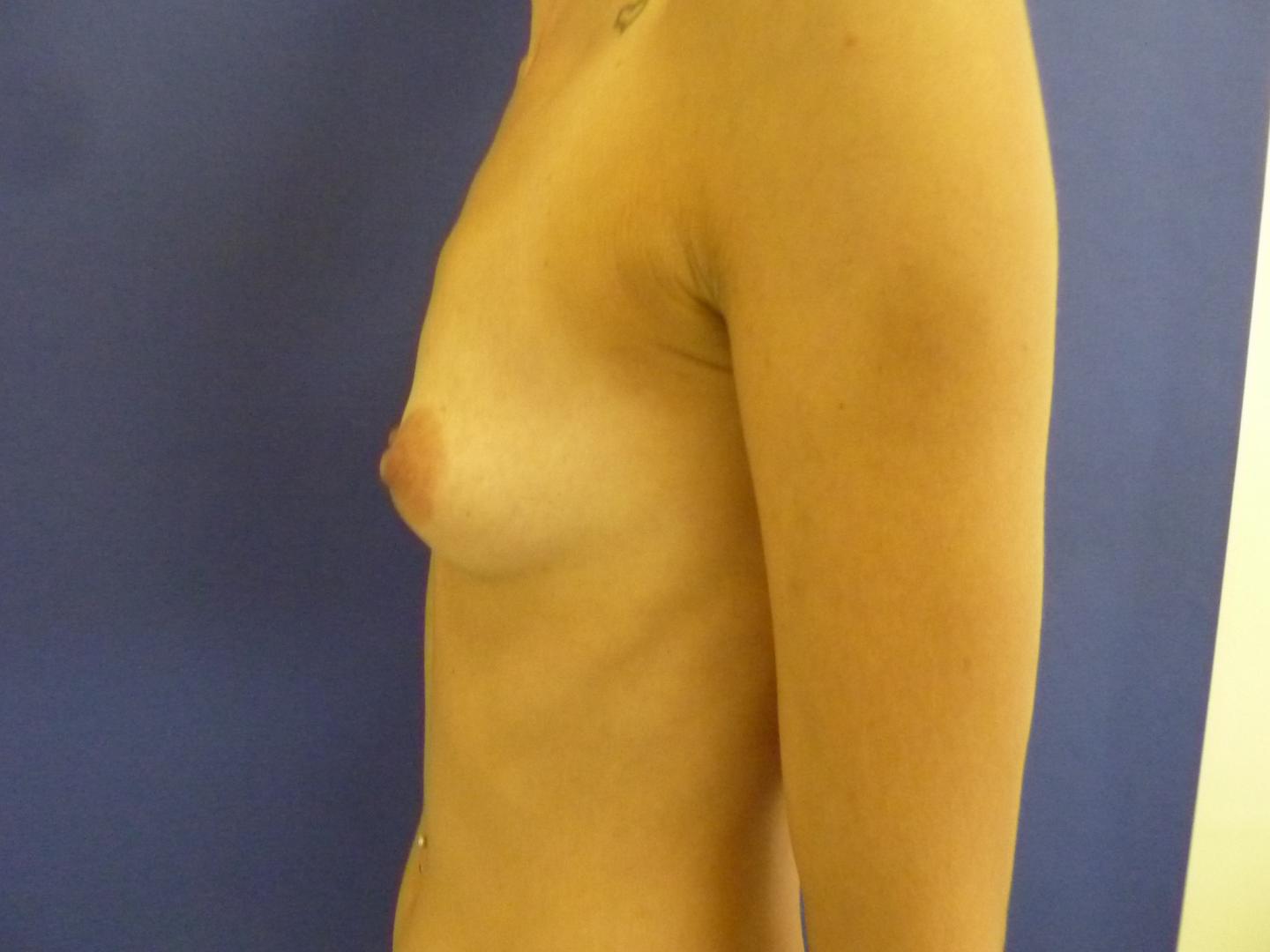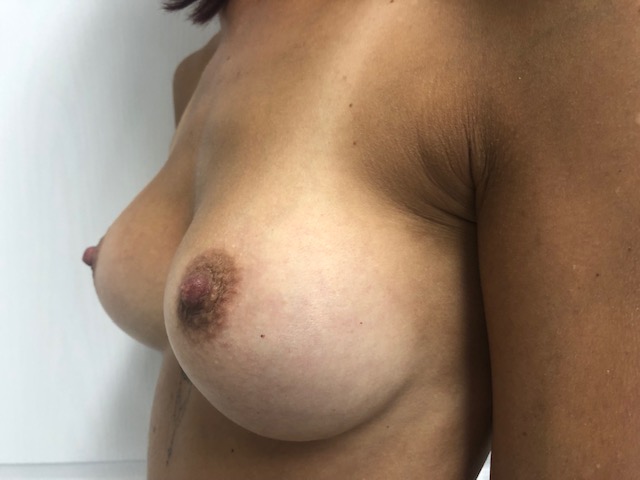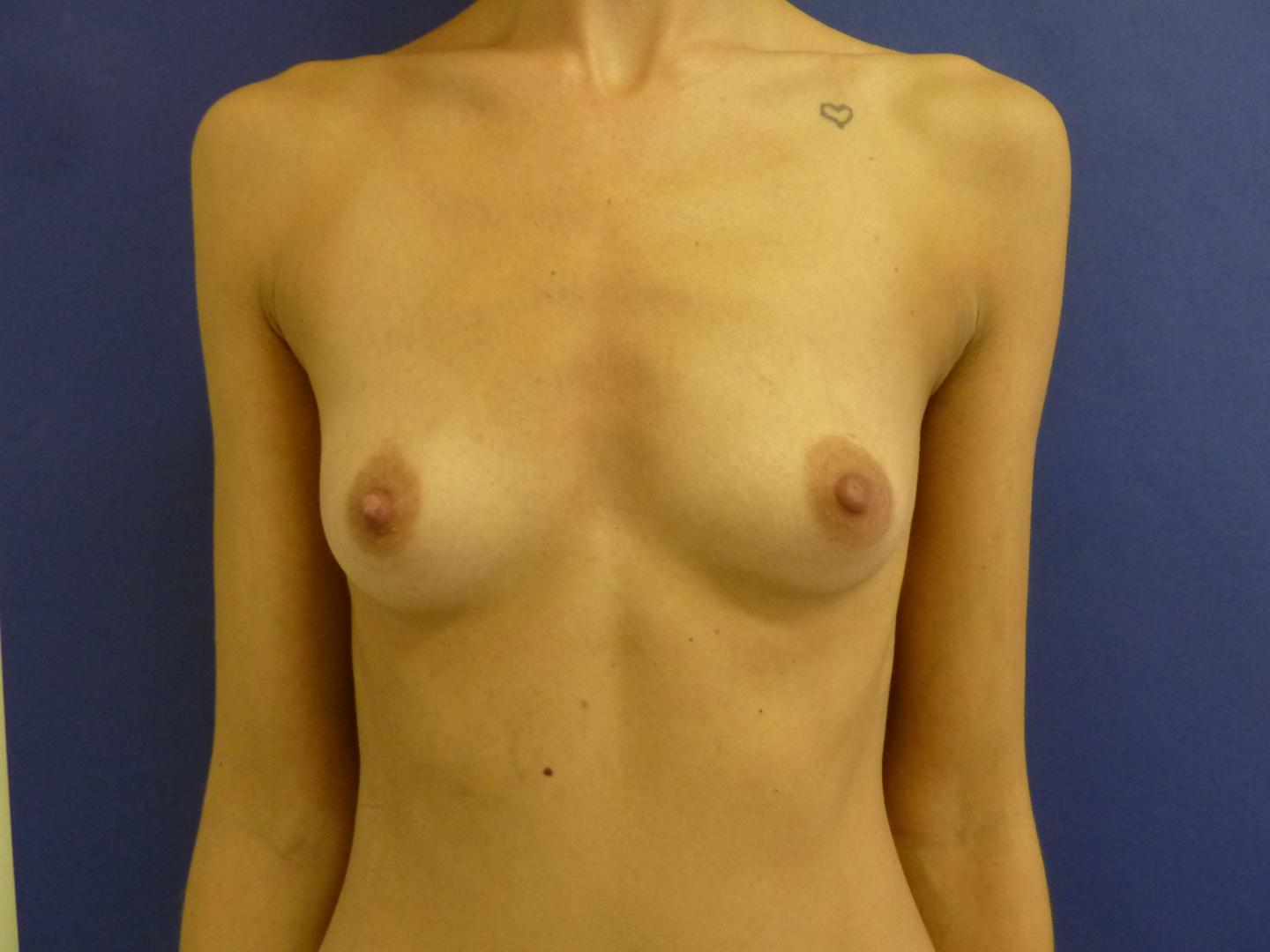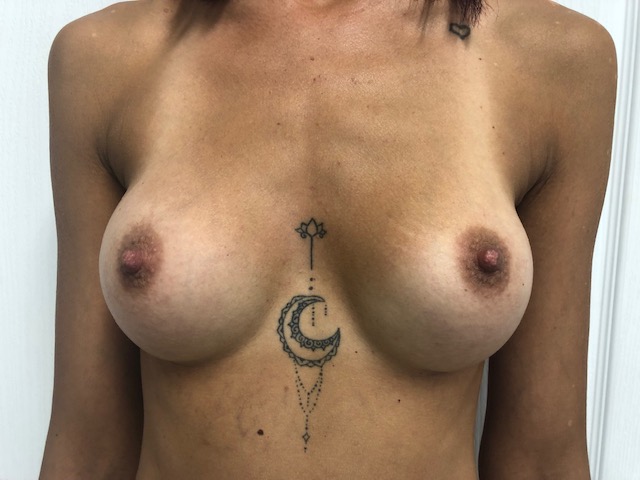
Enlargement of the breast volume, or augmentation, is made using silicon implants.
This implant is inserted under the mammary gland or deeper under the breast muscle through a short skin incision 4-5 cm in length. This will enlarge the volume of small breasts. Slight drooping of the breasts can be modified or the difference between the sizes of the breasts corrected.
This surgical operation is only possible for women over the age of 18, on condition that their health state is good. It is not advisable to have it if you are planning to have a baby soon.
The procedure is preceded by a consultation with the surgeon who will explain the procedure of the surgery, the position of the implant insertion as well as selecting the ideal shape and size of the implant. In addition, potential risks of the procedure and postoperative process are discussed.
It is recommended to undergo ultrasonography or breast mammography before the procedure. You can undergo the surgery as long as the examination result is good. You will also need internal preoperative examination which includes blood tests, ECG and evaluation of the state of your health. This examination will be performed by your GP, or it will be provided by our clinic. A week before the surgery it is necessary to stop taking any medicines such as Acylpyrin, Aspirin, Mironal which impair blood coagulation.
The patient is admitted to the clinic on an empty stomach between 8 - 9 a.m. on the day of surgery. It is not allowed to eat or drink anything since the midnight. Bring with you the preoperative examination results, nightclothes, slippers, toiletries and an elastic bra without underwire. Do not bring any jewels and valuables to the clinic.
The procedure is performed under a general anaesthetic; it takes about one hour. You will stay at the clinic for 1-2 days on average and you may bring an accompanying person to stay with you. Please arrange that somebody drives you home on your discharge from the clinic as it is not advisable to drive a car. Bandages are replaced at the clinic usually in one week. If you decide to spend this time of convalescence in Karlovy Vary, the staff of the clinic will arrange accommodation for you.
Cosmetic surgery is not covered by health insurance policies and the sickness note cannot be issued.
It is recommended to rest in bed in the first week after the surgery; beginning in the second week you can start performing common daily activities – however you should avoid any strenuous work. The implants have a tendency to shift up after 1 or 2 months following the surgery; avoid any sports during this time.
The scars must not be exposed to the sun /not even in solarium/ for two months at least.
What you should know about the implants.
The average expected life of the implants specified by the manufacturer is 10-15 years. After this time they have to be replaced by the new ones. By this time the implant will have been surrounded by a capsule of connective tissue which is a normal response of the body to the presence of foreign material. This capsule is removed together with the implant replacement.
Silicon implants have been used since the 1960s. All scientific and clinical researches prove that they cause neither cancer nor autoimmune or rheumatic diseases.
Silicon implants do not have adverse effects on pregnancy, breastfeeding or on the health of the breastfed babies. Neither antibodies to silicon nor any silicon allergies have been established.
At present, silicon is commonly used for medical and cosmetic purposes /valves, joints/
There is no better alternative material or method available to be used for breast enlargement.
All complications are prevented during the preoperative preparation; some may occur very rarely, but they can never be completely ruled out before the surgery. Also the scar quality cannot be fully guaranteed beforehand, as this depends on the particular healing type of each individual. It is impossible to provide a 100% guarantee regarding the surgery result. The statistics worldwide state 5 – 10% of complications. As a result of these a corrective surgery may be necessary.