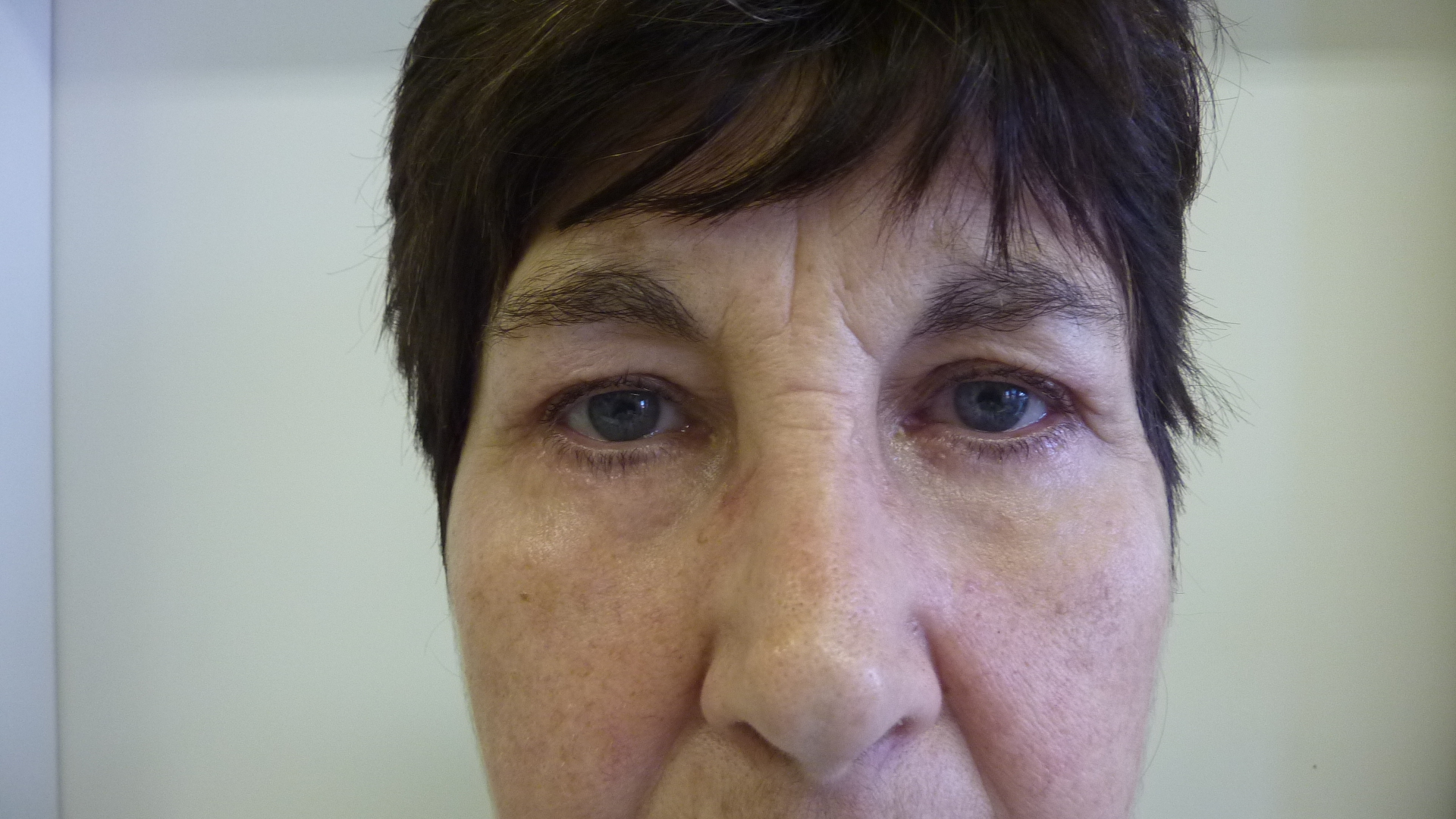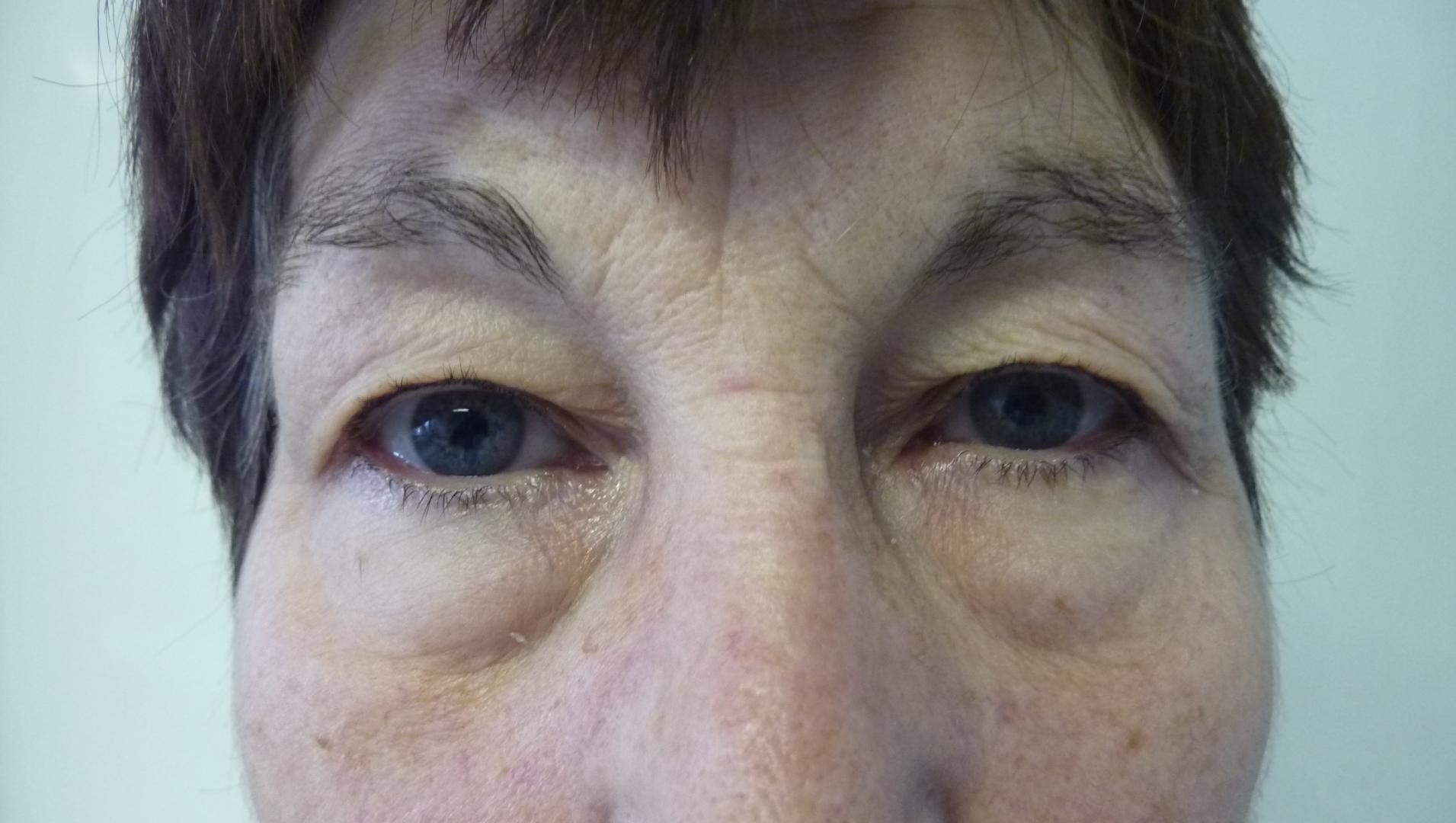
Due to ageing, excess skin appears especially in the upper eyelids, which impair aesthetic appearance, can restrict the field of vision and cause the “heavy eyes” feeling. Formation of this skin excess is supported by fat in the eye socket which pushes outwards and stretches the skin.
The surgery is based on the removal of these skin folds contributing to wrinkle formation on the lower eyelids, and at the same time reduction of the fat pressing against the eyelid.
The surgery is preceded by a detailed consultation with the surgeon who explains positioning of the scars, potential risks of the procedure and the postoperative process.
The surgery is made under a local anaesthetic and it takes about 1 hour. The patients are not required to stay in hospital.
The operation can be performed on both the upper and lower eyelids simultaneously.
Before the surgery you will only need the blood coagulation test which will be made by your GP or it will be provided by our clinic. One week before the surgery it is necessary to stop taking any medicines such as Acylpyrin, Aspirin, Mironal which impair blood coagulation. You will come to the clinic at the agreed time, with no make-up; bring dark sunglasses with you.
Please arrange that somebody drives you home on your discharge from the clinic after the surgery as it is not advisable to drive a car. It is necessary to apply cold compresses to the eyelids to minimize swelling and bruising. Bandages are replaced at the clinic usually in about 6 days; the stitches are removed then as well.
Cosmetic surgery is not covered by health insurance policies and the sickness note cannot be issued.
All complications are prevented during the preoperative preparation; some may occur very rarely, but they can never be completely ruled out before the surgery. Also the scar quality cannot be fully guaranteed beforehand, as this depends on the particular healing type of each individual. It is impossible to provide a 100% guarantee regarding the surgery result. The statistics worldwide state 5 – 10% of complications. As a result of these a corrective surgery may be necessary.